Back in 2021, a realtor friend of mine was staring at a $2,400 physical staging invoice for a vacant suburban listing. The furniture was rented, the movers were charging for their time, and the staging company was charging for a three-month minimum lease. I looked at the photos—bright, empty, and spacious—and asked the question I’ve been asking ever since: "Did you reshoot the photo first?"
After we spent 45 minutes getting better angles, I ran those photos through a platform, saved her $2,400, and fell down the rabbit hole of virtual staging. I’ve since logged over 200 hours testing a dozen platforms, burning the midnight oil on weekends to meet tight listing deadlines. Here is everything you need to know about virtual staging software and how to use it to sell homes faster without breaking your budget.
What is Virtual Staging Software?
Virtual staging software is the digital process of taking a high-quality photo of a vacant or dated property and using 3D rendering or AI to "place" photorealistic furniture, decor, and lighting into the room. For realtors, it is the ultimate tool for visual storytelling. It allows potential buyers to see the potential of a room—how a sectional fits in a living room, or how a desk tucks into a small home office—without the logistical headache of physical moving companies.
While some platforms are fully automated AI generators, others rely on human editors who manually place 3D assets into your frame. In my experience, if you want high-end results, you need a balance of both.
AI Virtual Staging vs. Physical Staging: The Cost Breakdown
The primary driver for the shift toward virtual 3d rendering for real estate staging is cost. Physical staging is an investment in logistics, labor, and rental fees. Virtual staging is a cost-effective alternative that keeps your marketing budget lean.
Feature Physical Staging Virtual Staging Software Cost $2,000 – $5,000+ per month $30 – $50 per image Logistics High (Movers, inventory, scheduling) Low (Upload, wait, download) Flexibility Fixed (Stays until the end) Infinite (Swap styles in 24 hours)As you can see, the price point for professional virtual staging services like BoxBrownie is incredibly accessible. For roughly $32-48 per staged image, you can transform a cold, empty house into a "move-in ready" dream home. This is the difference between an extra $2,000 out of your commission and a standard marketing expense.
How Virtual Staging Works: The Step-by-Step Workflow
If you think you can just upload a blurry, dark phone photo and get a masterpiece, you’re in for a rough surprise. There is a reason I keep a running list of "rooms that break AI"—dark rooms, narrow kitchens, and awkward, fish-eye-lens angles are the enemies of good staging.
The Pre-Shoot: Did you reshoot the photo first? This is crucial. Use a wide-angle lens, turn on every light in the house, and open the blinds. If the source photo is bad, the staged photo will be fake-looking. Upload and Select: Choose a style—Mid-Century Modern, Scandinavian, Industrial, or Transitional. Most platforms have a library of assets. Processing: The software (or the human team behind it) renders the 3D furniture into your image. Review and Revision: This is where you catch "scale errors"—furniture that looks like it belongs in a dollhouse or floating shadows that defy the laws of physics. Delivery: Most professional services offer a 24-hour turnaround time, while budget AI platforms might do it in 30 seconds.The Golden Rule: Photo Realism
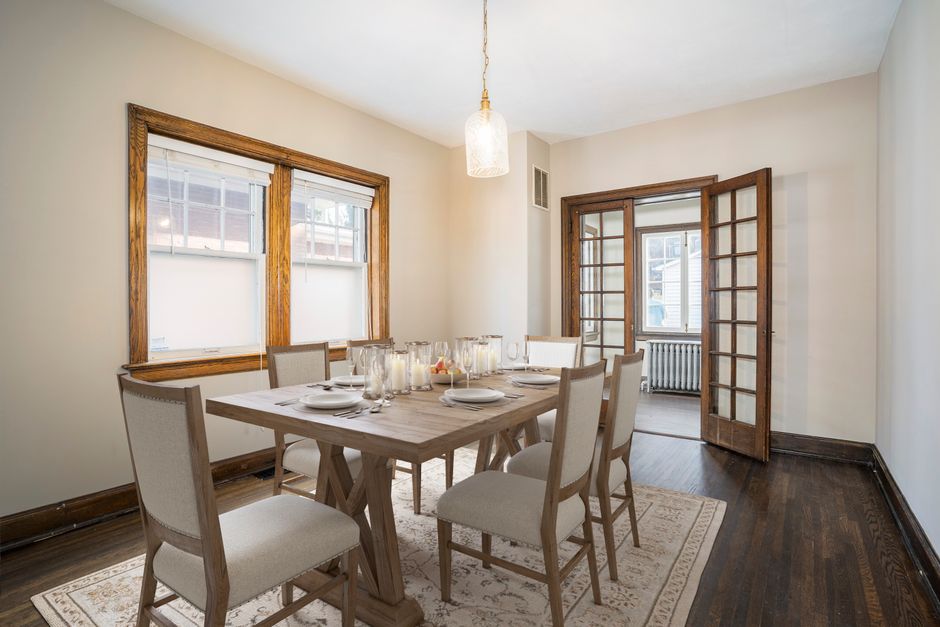
My biggest pet peeve in this industry is fake-looking shadows and wrong furniture scale. When a chair looks like it’s hovering an inch above the floor, or a coffee table is https://dlf-ne.org/what-technical-skills-do-i-need-to-start-virtual-staging-in-30-minutes/ the size of a dining room table, you aren't helping the buyer—you’re confusing them.
What to watch out for:
- Lighting consistency: The light on the furniture should match the natural light entering the room from windows. Shadow logic: If the sun is coming from the left, your chair should have a shadow on the right. If the shadows don't match, the human brain registers it as "off" immediately. Scale: Use common sense. A standard sofa is 84 inches long. If the AI makes it look like it stretches wall-to-wall, it’s a failure.
Turnaround Times and Listing Deadlines
In real estate, timing is everything. A listing going live on Friday for a weekend open house doesn't have time for a week-long staging process. Most reliable virtual staging platforms operate on a 24-hour to 48-hour turnaround time. If you are uploading on a Friday afternoon, make sure your provider has a weekend support team, or you’ll be missing the "new listing" alert window.
MLS Workflow and Disclosure Rules
This is where many realtors get into hot water. Virtual staging is not a "magic filter" to hide structural damage or massive cracks in the drywall. It is a marketing tool meant to show the potential of the space.
You must disclose that the images are virtually staged.
Most MLS boards require a specific disclosure or watermark on the image itself. Failure to disclose can lead to ethics complaints or, worse, accusations of misleading advertising. Always include a caption like: "Photos are virtually staged for illustrative purposes."
Final Thoughts: Don't Stage Bad Photos
Virtual staging is a powerful tool, but it is not a substitute for professional photography. If a room has poor lighting or an awkward layout, staging it won't fix the underlying issue. It just puts a fancy sofa in a dark room. Spend the time to clear the clutter, clean the floors, and capture a clean shot. When you have a solid foundation, the virtual staging software will do the rest, helping you get that listing closed and your commission check in the bank.
Have you had a room "break" your virtual staging software lately? Drop a comment below—I’m always looking to add to my list of difficult room angles!