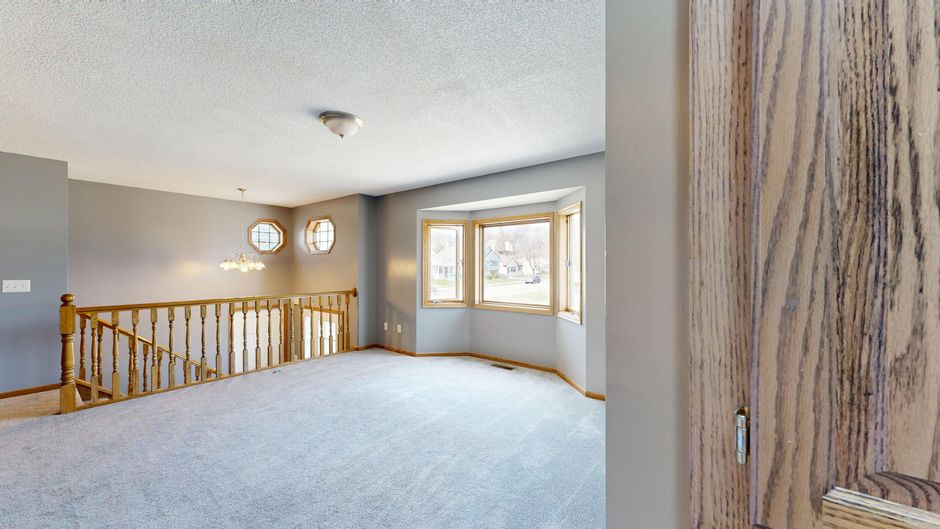
I still remember the first time I helped a realtor friend dodge a $2,400 physical staging invoice. We were staring at an empty, cavernous living room, and the clock was ticking toward a Thursday listing launch. She was stressed; I was just looking at the lighting and thinking, "I can fix this in post." Since that day, I’ve logged over 200 hours testing a dozen virtual staging platforms. I’ve lived the scramble of the weekend deadline, and I’ve learned that in real estate, time isn't just money—it’s the difference between a sold sign and a stale listing.
When you’re operating on a tight real estate marketing timeline, the industry expectation has coalesced around the 48-hour staging turnaround. But what does that actually mean, and who is actually delivering on that promise versus just slapping a filter on your photos?
The Shift: Physical vs. Virtual Staging Costs
Let’s talk numbers. Physical staging is a logistical nightmare. You’re looking at rental fees, delivery trucks, labor, and a "wait-and-see" approach that can listing photo enhancement delay your listing by a week. Virtual staging has democratized the process. Instead of paying thousands to furnish a room that will be empty again in 30 days, you’re looking at a digital investment that fits into a marketing budget with room to spare.
Here is a quick look at how the costs generally break down for a mid-tier virtual staging service:
Service Type Estimated Cost per Image Typical Turnaround Standard Virtual Staging $32 - $48 (e.g., BoxBrownie) 24 - 48 Hours Premium Custom Design $60 - $120+ 72 Hours+ DIY AI "One-Click" $5 - $10 30 SecondsI know the temptation is to go for the "30 seconds" DIY AI option. But let me stop you right there. Before you upload anything, I have to ask: Did you reshoot the photo first? You cannot polish a turd—or, more accurately, you cannot virtually stage a blurry, poorly lit, or narrow-angle smartphone shot. If the foundation (the raw photo) is bad, the furniture will look like it’s floating in a void.
Understanding the 48-Hour Staging Turnaround
In our industry, the 48-hour staging turnaround is the gold standard for a reason. It balances the need for speed with the time required for actual human oversight. When a company claims they can do it in under 24 hours, I start looking for red flags. Usually, that means they are using fully automated AI, which leads me to my "List of Rooms That Break AI."

The "Rooms That Break AI" List:
- Dark Rooms: If the exposure is off, AI will place shadows that make the sofa look like a ghost. Narrow Kitchens: These platforms love to put a giant island in a space that barely fits a person. Awkward Angles: Wide-angle lenses distort geometry. If the staging artist doesn't understand focal points, the chair will look like it’s sliding off a cliff.
A professional service that respects the 48-hour window is usually using a hybrid model. They have designers who understand scale, lighting, and shadow consistency. If your furniture is brighter than the natural light source in the room, your buyers will subconsciously know the image is fake. That kills trust, and in real estate, trust is your currency.
The Importance of Realism in Your Listing Launch Schedule
Your listing launch schedule is a fragile thing. You have your photographer booked for Tuesday, editing happens Wednesday, and the goal is to hit the MLS by Thursday evening to catch the weekend traffic. If your staging provider misses the 48-hour window, your house sits on the market without photos—or worse, with empty ones.
However, speed should never override realism. Look for these three signs of "bad" virtual staging:
Floating Furniture: If there are no contact shadows where the legs meet the floor, the furniture looks like a sticker. Wrong Scale: If a coffee table is the size of a dining table, the room will look smaller, not staged. Lighting Mismatches: If the sun is coming from the left but the furniture is lit from the right, the brain rejects the image.MLS Workflow and Disclosure Rules: Don't Get Fined
This is where I see most agents get into hot water. Just because you *can* stage an image doesn't mean you can pass it off as reality without consequences. Most MLS boards have strict guidelines regarding virtual staging.
The Golden Rules of Disclosure:
- Use Watermarks: Most reputable services (like BoxBrownie or professional studios) will offer a "virtually staged" overlay. Don't remove it. Disclose in Remarks: Use the MLS agent remarks to explicitly state: "Some images have been virtually staged for illustrative purposes." The "Before" Comparison: If you are staging an empty space, providing the "before" shot on the listing page is the best way to maintain transparency and build credibility with buyers.
The annoyance I have with platforms that ignore these rules is palpable. When agents try to sneak staged photos in as if they are the current state of the home, they are begging for a fair housing complaint or an ethics board hearing. Always play by the book.
Final Thoughts: Choosing Your Partner
When you are vetting a provider, don't just look for the lowest price. Avoid those flashy websites that hide their pricing behind a "Contact Us for a Quote" wall. Transparency in pricing usually correlates to transparency in their staging workflow. Look for companies that show you raw-to-final comparisons.
Remember: your goal is to help a buyer visualize themselves living in the home. If the staging is so fake it’s distracting, you haven’t helped them—you’ve confused them. Stick to the 48-hour standard, respect the disclosure rules, and for the love of everything, reshoot your photos if they aren't up to par. A great virtual staging job can't save a bad photo, but a great photo can make a mediocre staging job look like a million bucks.
Now, go get that listing live—on time.