If you have been reading the latest circulars from BUILD Magazine, you’ve seen the headlines: the push for nearshoring is no longer a trend; it is a full-blown industrial migration. Whether you are supporting a massive automotive supply chain for a company like Ford or expanding intermodal capacity near a Union Pacific terminal, the urgency is palpable. However, urgency is not a strategy. When I speak to developers moving operations south of the border, the first thing I do is strip away the marketing fluff about "lightning-fast delivery" and get down to the reality of the critical path.
In Mexico, building a warehouse is not just about swinging hammers; it is about navigating cross-border logistics, https://www.build-review.com/how-nearshoring-is-driving-demand-for-prefabricated-steel-warehouses-in-mexico/ local seismic codes, and the specific MEP (Mechanical, Electrical, and Plumbing) requirements that define modern industrial utility. Let’s break down the actual timeline.
The Reality of the Timeline: Prefab Steel vs. Concrete
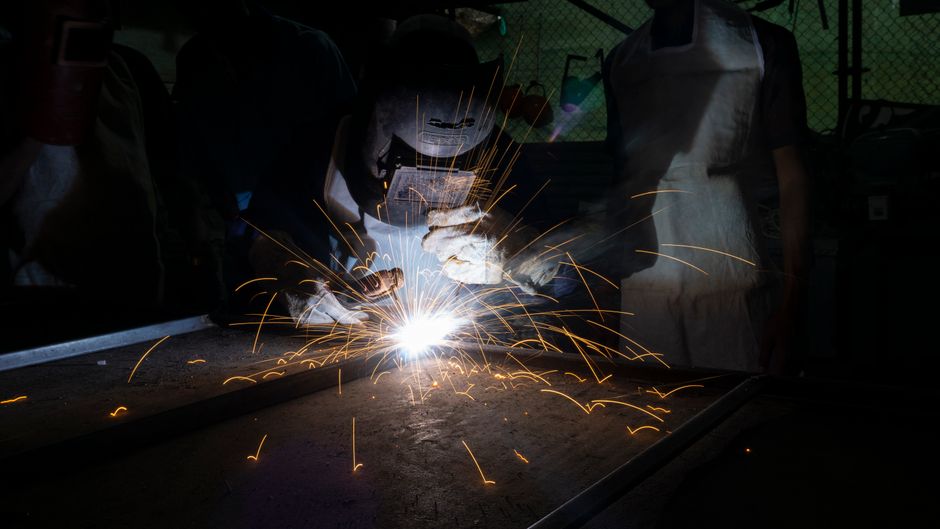
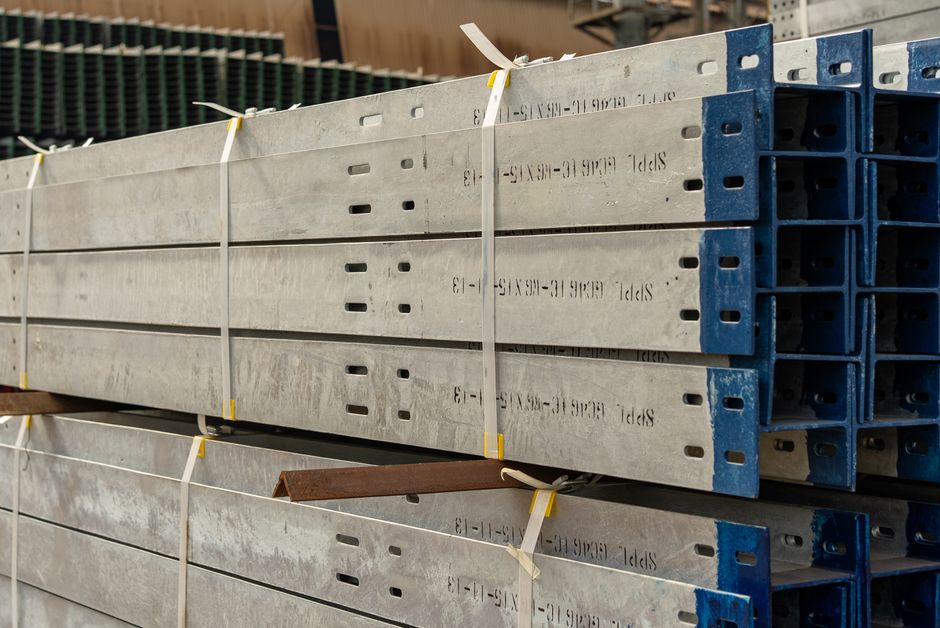
Many clients ask me if pre-engineered steel buildings (PEBs) are faster than traditional tilt-up concrete construction. The short answer is yes—but only if you account for the fabrication lead times. While concrete tilt-up requires massive onsite casting beds and extended curing periods, steel components are fabricated in a factory setting while your site work (grading, utilities, and slab preparation) happens simultaneously.
Here is your sanity-check timeline for a standard 50,000 to 100,000-square-foot prefab steel warehouse in Northern Mexico:
Phase Estimated Duration Permitting & Regulatory (NMX Compliance) 8–14 Weeks Site Prep & Foundations 6–10 Weeks Steel Fabrication (Off-site) 8–12 Weeks Steel Erection 2–5 Weeks Shell & Core Completion 12–20 Weeks (Total)Note that "Total Timeline" assumes parallel processing. If you wait for your permits before ordering steel, you are failing your project stakeholders. You must run your procurement and local permitting in tandem.
The Technical Specs That Actually Matter
Stop worrying about the exterior facade and start worrying about the structural specs. In Mexico, you are not just building a box; you are building an asset that must withstand specific environmental and operational rigors. If you are operating in regions like Sonora, you are dealing with rigorous wind and seismic codes (NMX standards).
- Clear Span: Avoid internal columns if your operation involves high-velocity cross-docking or complex racking systems. A clear span of 60 to 80 meters is the industry standard for modern logistics. Eave Height: Do not settle for less than 10 meters (32+ feet). If you are storing vertically, the cost of going higher is significantly lower than the cost of a building expansion five years down the road. Crane Loadings: Even if you don’t need an overhead crane now, design your steel frame to support one. Strengthening an existing roof structure later is a massive expense. Seismic Engineering (NMX-R-021-SCFI): In Sonora and across the border region, structural engineering must strictly adhere to Mexican standards. You need a structural engineer of record who is physically licensed in Mexico—do not rely on a US PE stamp alone.
The Cross-Border Friction Points
The biggest delays I see in my project management tracking tools are not caused by steel shortages; they are caused by administrative gaps. Cross-border work requires a level of detail that many US-based firms underestimate.
The Vital Role of Bilingual Project Documentation
You cannot effectively manage a job site if your project management tools and safety manuals are only in English. In Mexico, all safety protocols, work permits, and RFIs (Requests for Information) must be maintained in bilingual formats. If a subcontractor misunderstands a structural schematic due to a language barrier, your timeline will slip by weeks, not days. Ensure that your project management software syncs in real-time, providing both English and Spanish documentation to your field leads.
Permitting is Not a "One-Stop Shop"
Permitting in Mexico is often decentralized. You will need:
Uso de Suelo: Land use authorization. Licencia de Construcción: The actual building permit. Manifestación de Impacto Ambiental (MIA): Environmental impact assessments, which can take several months depending on the site.Do not quote a client a "12-week build" if you haven't received your Licencia de Construcción. It is unprofessional and, frankly, impossible.
Why "Shell and Core" is the Only Benchmark That Counts
When someone tells you a building is "done," ignore them. Ask them if the shell and core are complete. A shell and core delivery should include:
- Complete steel frame and envelope (siding and roof). Finished concrete slab (specifically addressing floor flatness/levelness requirements for automated equipment). Building perimeter drainage and basic utility stubs at the property line. Fire suppression rough-in (a critical requirement for Mexican insurance underwriters). Parking and maneuvering area for at least 53-foot trailers.
If the contractor leaves out the mezzanine, the office fit-out, or the power distribution infrastructure, they haven't finished the job; they've finished the shell. Keep your budget focused on these core deliverables first.
Final Thoughts: A Checklist for Success
If you are planning a prefab steel warehouse project in Mexico, keep this checklist at your desk:
- Vet your General Contractor for Mexico experience, not just warehouse experience. Have they handled the import of steel members across the border? If not, expect customs delays. Check the lead times for specialized steel components. Sometimes the joists are in stock, but the specialized wind-bracing or heavy-duty plates are stuck in a 16-week queue. Use a centralized project management platform. If it isn't documented in the tool, it didn't happen. Ensure your subs are uploading daily logs and photos. Prioritize the MEP coordination. Many warehouses fail to launch on time because the power grid capacity at the site doesn't match the building's MEP demand. Verify utility capacity at the site selection phase.
Building in Mexico offers immense competitive advantages for North American supply chains. However, treat your timeline as a living, breathing schedule that requires daily input, not a static document. Respect the codes, communicate in both languages, and build your schedule around the reality of your steel fabrication—not your desire to be operational by Q3.